Home security has evolved dramatically over the past decade. What was once dominated by long-term contracts, expensive professional installations, and complicated wired systems has now transformed into something smarter, more flexible, and far more accessible.
At the center of this shift is SimpliSafe — a company that has redefined what modern home protection looks like. Whether you’re a homeowner, renter, landlord, or small business owner, SimpliSafe offers a security solution designed for real life: easy to install, easy to control, and easy to afford.
In this comprehensive guide, we’ll explore:
- The history and mission behind SimpliSafe
- How the system works
- All available equipment and features
- Monitoring options and pricing
- How it compares to competitors
- Real-life use cases
- Smart home integrations
- Security reliability and technology
- Pros and cons
- Who should buy it
- Why it continues to grow in popularity
Let’s take a deep dive into why SimpliSafe continues to lead the DIY home security revolution.
The Rise of Modern DIY Home Security
Traditional alarm systems once required professional installation, drilling, wiring, and 3–5 year contracts with expensive monthly fees and cancellation penalties. For many homeowners, that model simply didn’t make sense anymore. Consumers wanted flexibility, control, transparent pricing, and smart technology without contracts. SimpliSafe emerged as a direct response to these frustrations — offering a radically different model.

What Is SimpliSafe?
SimpliSafe is a U.S.-based home security company founded in 2006 with one core mission: make home security simple, affordable, and accessible to everyone. Instead of forcing customers into restrictive agreements, SimpliSafe allows you to purchase equipment upfront, install it yourself, choose optional professional monitoring, and cancel anytime. The company’s approach has attracted millions of users and helped redefine the security industry.
How SimpliSafe Works
At its core, SimpliSafe operates through a central hub called the Base Station. All sensors and devices connect wirelessly to this hub. When a sensor detects unusual activity, the base station triggers an alarm, sends a notification to your phone, and alerts the monitoring center. It uses Wi-Fi connectivity, cellular backup, and battery backup with encrypted signals to ensure protection even during power outages or internet disruptions.
SimpliSafe Equipment Overview
One of SimpliSafe’s strengths is its modular design. You can build a system tailored to your needs. Let’s examine each component.
1. Base Station
The Base Station is the brain of the system. It features a 24-hour battery backup, a built-in 95–105 dB siren, cellular connection, and SmashSafe protection (continues working if damaged). If someone attempts to destroy the base station, it still sends the alert.
2. Keypad & Sensors
The Wireless Keypad allows for arming/disarming and panic alerts. Entry Sensors are compact, peel-and-stick devices for doors and windows. Motion Sensors feature pet-friendly algorithms to reduce false alarms. Glass Break Sensors listen for the specific frequency of breaking glass, perfect for large windows or sunrooms.
3. SimpliSafe Cameras & Doorbell
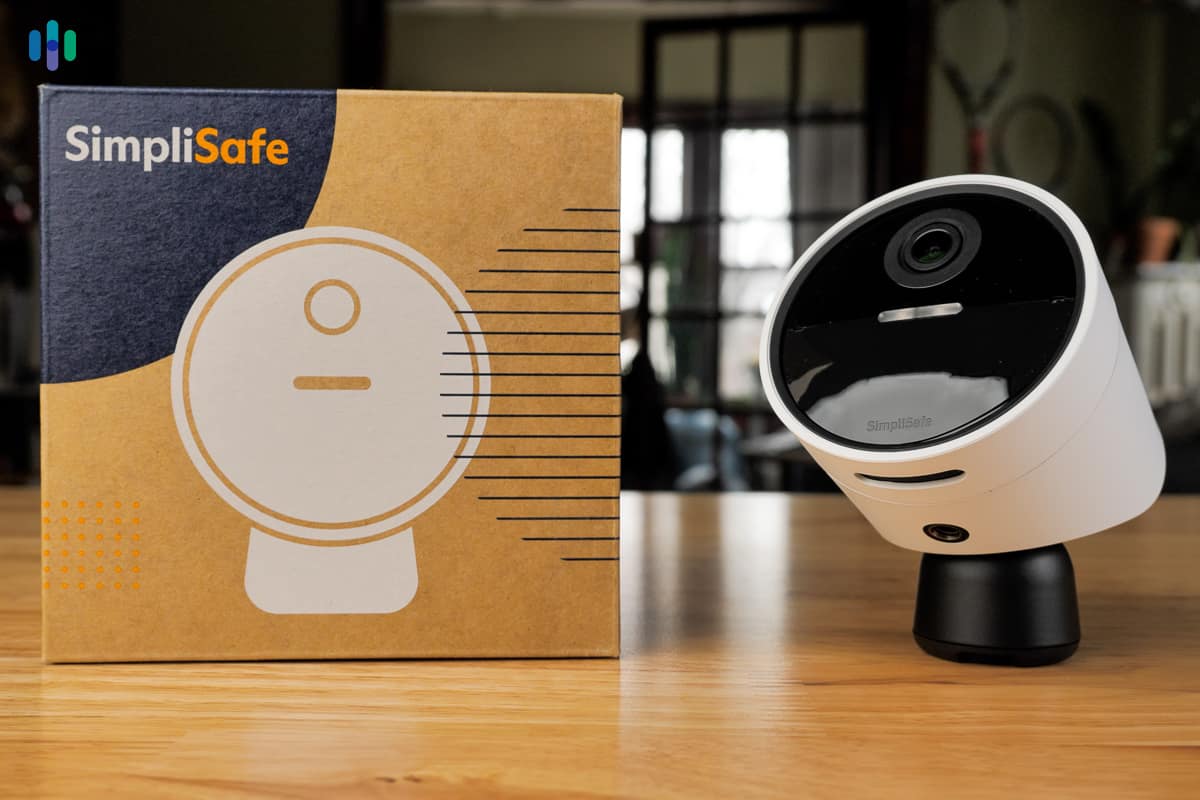
SimpliSafe offers indoor cameras with privacy shutters, weather-resistant outdoor cameras with spotlights, and video doorbells for package monitoring. These integrate directly with monitoring plans for faster emergency response.
4. Environmental Protection
SimpliSafe also protects against smoke, carbon monoxide, water leaks, and frozen pipes. This makes it a full home safety system.
Installation: Truly DIY
One of SimpliSafe’s biggest advantages is its easy setup. Setup usually takes 30–60 minutes. Users simply plug in the base station, stick sensors to doors or windows, and connect via the mobile app. No wiring or technicians are required.
Monitoring Options
SimpliSafe offers multiple monitoring plans: Self-Monitoring (app control only), Standard (24/7 center and dispatch), and Premium Monitoring (includes Video Verification). Video verification helps confirm break-ins visually, reducing false alarms and ensuring confirmed alarms receive priority police response.
How SimpliSafe Compares to Traditional Security
| Feature | Traditional Systems | SimpliSafe |
|---|---|---|
| Contracts | 3–5 years | None |
| Installation | Professional required | DIY |
| Monitoring Cost | Higher | Lower |
| Equipment Ownership | Sometimes leased | Owned |
| Setup Time | Several hours | Under 1 hour |
Real-Life Use Cases
Families: Monitor entrances and receive alerts when kids arrive home. Renters: No drilling required; the system is portable. Remote Owners: Vacation homes benefit from water leak and freeze protection. Small Business: After-hours monitoring and video recording for retail or offices.
Pros and Cons
Pros: No contracts, affordable monitoring, easy installation, reliable cellular backup, and environmental protection. Cons: Upfront equipment cost, limited advanced smart integrations, and some features require a premium plan.
Security Technology Behind SimpliSafe
SimpliSafe uses AES encryption, secure wireless protocols, redundant monitoring centers, and AI-powered camera detection. These innovations ensure the system remains dependable even under attack. Its success comes down to simplicity, transparency, technology, and customer-first policies.
Final Thoughts: Is SimpliSafe Worth It?
In 2026, home security must be smart, flexible, affordable, and reliable. SimpliSafe delivers on all four. It removes the barriers that once kept people from protecting their homes. No contracts. No complicated installation. No hidden fees. Just modern protection made simple. If you want control, reliability, and peace of mind without long-term commitment, SimpliSafe remains one of the best home security solutions available today.